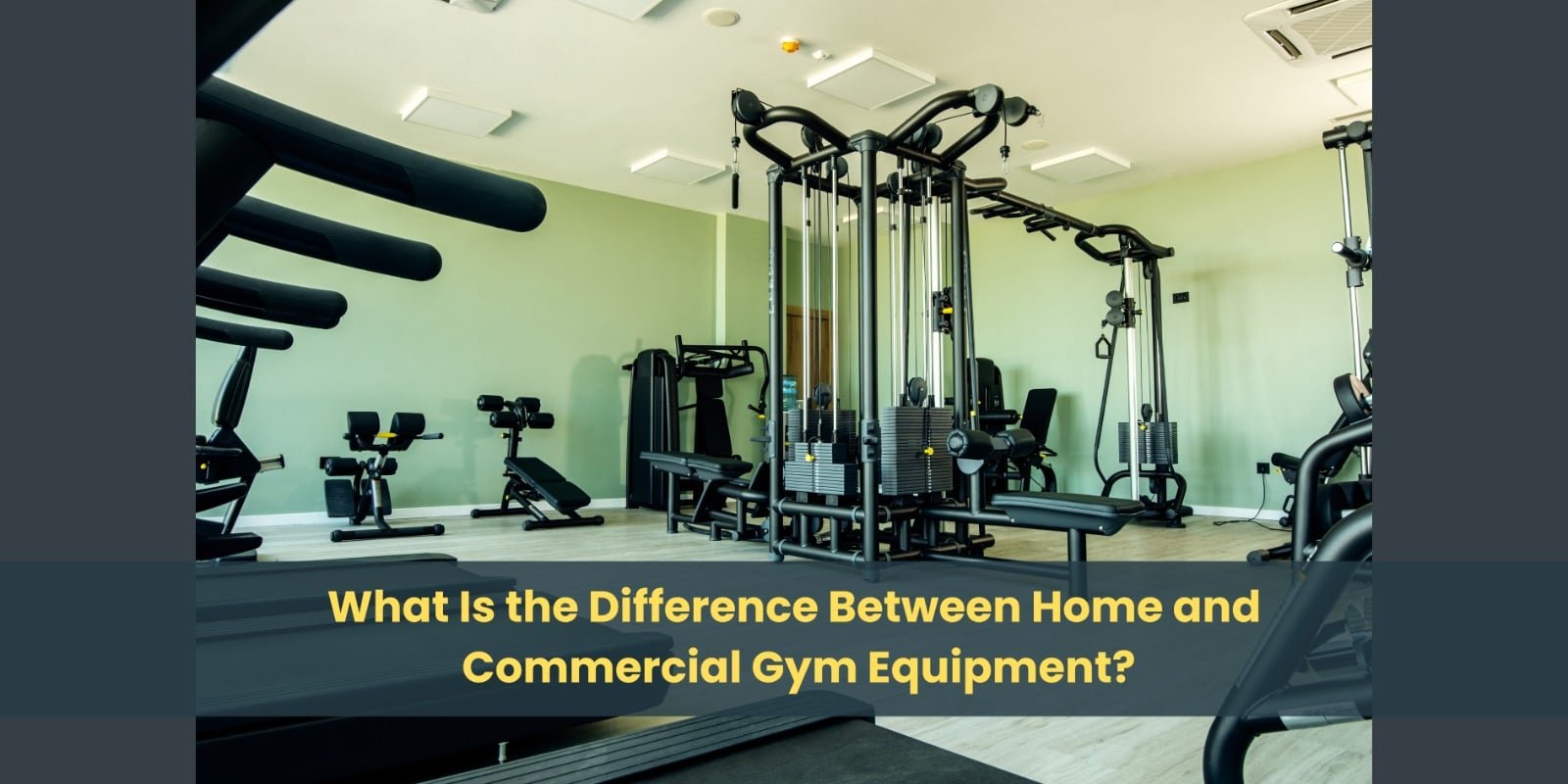
What Is the Difference Between Home and Commercial Gym Equipment?

Choosing gym equipment isn’t just about price or brand. The real difference between home and commercial gym equipment lies in how often the machines are used, how much load they handle, and how long they are expected to perform reliably.

Based on common gym setup standards and real-world usage patterns, understanding this difference early helps buyers avoid unnecessary repairs, safety issues, and replacement costs later on. This guide is written to help readers make informed decisions, not to promote any specific product.

Usage and Daily Workload

Home gym equipment is designed for light to moderate use. It usually supports one or two users and is used for shorter workout sessions such as walking, jogging, or basic cardio. This makes it suitable for personal fitness routines at home.

For example, treadmills like the SlimLine Treadmill AC150 or Xterra Fitness Treadmill TRX4500 are commonly chosen for home environments where usage is limited to a few hours per day, and conditions are controlled.

Commercial gym equipment, however, is built for heavy and continuous use. These machines are designed to operate for long hours and handle multiple users throughout the day, which is typical in gyms, hotels, and corporate fitness spaces.

Choosing the wrong type can lead to frequent breakdowns, higher maintenance costs, or an unsafe workout experience.

Build Quality and Durability

Home gym equipment is generally built with lighter materials to keep it compact and affordable. While it performs well for personal use, frequent or high-intensity usage can lead to faster wear.Commercial gym equipment uses thicker steel frames and reinforced components. Treadmills such as the Spirit Fitness Treadmill CT900 or American Fitness Treadmill TH4011 are designed for stability and durability in high-traffic environments, where equipment is used repeatedly

Performance and Motor Capability

Home treadmills focus on smooth and quiet performance. They are optimized for comfort and efficiency, making them suitable for regular home workouts without excessive noise or power consumption.Commercial treadmills prioritize consistency and endurance. These machines are built to maintain performance even during extended operation. In busy gyms, models like the Spirit Fitness CT900 or Royal Fitness Treadmill 451G are typically selected because they are designed to handle continuous usage without overheating or performance drops.

Space and Design Considerations

Home gym equipment is often compact and sometimes foldable, making it easier to fit into bedrooms, garages, or small workout areas.

Commercial gym equipment is larger and heavier, requiring proper layout planning and dedicated space. These machines are intended to remain fixed in one place to ensure safety and stability during constant use.

Price and Long-Term Value

Home gym equipment usually comes with a lower upfront cost, which makes it accessible for individuals starting their fitness journey. Models designed for home use offer a good balance between functionality and affordability when used as intended.

Commercial gym equipment involves a higher initial investment. However, because it is built to withstand heavy usage, it often provides better long-term value in professional settings. Over time, replacing home-use machines that are overworked can cost more than investing in commercial-grade equipment from the start.

Maintenance and Servicing

Home equipment requires basic maintenance such as cleaning, belt alignment, and occasional servicing. Parts may wear out sooner if the equipment is used more intensively than recommended.

Commercial gym equipment is designed for routine professional maintenance. Spare parts are generally easier to source, and the machines are built to reduce downtime, which is critical in commercial environments.

Safety Features

Home gym machines include essential safety features suitable for individual users following proper workout routines.

Commercial gym equipment includes enhanced safety systems such as emergency stop functions, stronger handrails, and greater overall stability. These features help ensure safe use by people of varying fitness levels and body weights.

Choosing the Right Option

Home gym equipment is a practical choice if workouts are limited to personal or family use and daily sessions are relatively short.

Commercial gym equipment is more suitable for environments where machines are used for long hours by multiple users. Using home equipment in a commercial setting often leads to faster wear, higher maintenance costs, and potential warranty limitations.

Following these tips ensures your treadmill performs well for years, whether for home or commercial use.

Final Thoughts

The difference between home and commercial gym equipment comes down to usage expectations, durability, and performance demands. Neither option is better by default; the right choice depends on how and where the equipment will be used.

Selecting equipment designed for its intended environment leads to better performance, improved safety, and fewer long-term issues.

(FAQs)

Q1: Can home treadmills be used in commercial gyms?

  • Home treadmills are designed for limited use. Commercial environments require equipment specifically built for continuous operation.

Q2: Can a home treadmill be used in a gym?

  • It’s not recommended. Home models aren’t designed for continuous multiple-user use and may wear out quickly.

Q3: Why do commercial treadmills cost more?

  • They are made with stronger materials, higher-duty components, and are designed for long-term, high-traffic use.

Q4: Which lasts longer, home or commercial equipment?

  • Commercial gym equipment generally lasts longer due to its heavy-duty construction

Q5: Can I use a commercial treadmill at home?

  • Yes, you can use a commercial treadmill at home, but it may take up more space, be heavier, and cost significantly more than home models.

Q5: Do commercial treadmills require more maintenance?
Yes, commercial treadmills are built for heavy use, so while they are durable, they require regular maintenance like lubrication and belt adjustments to ensure long-term performance

Leave a Reply

Your email address will not be published. Required fields are marked *

Related Projects